


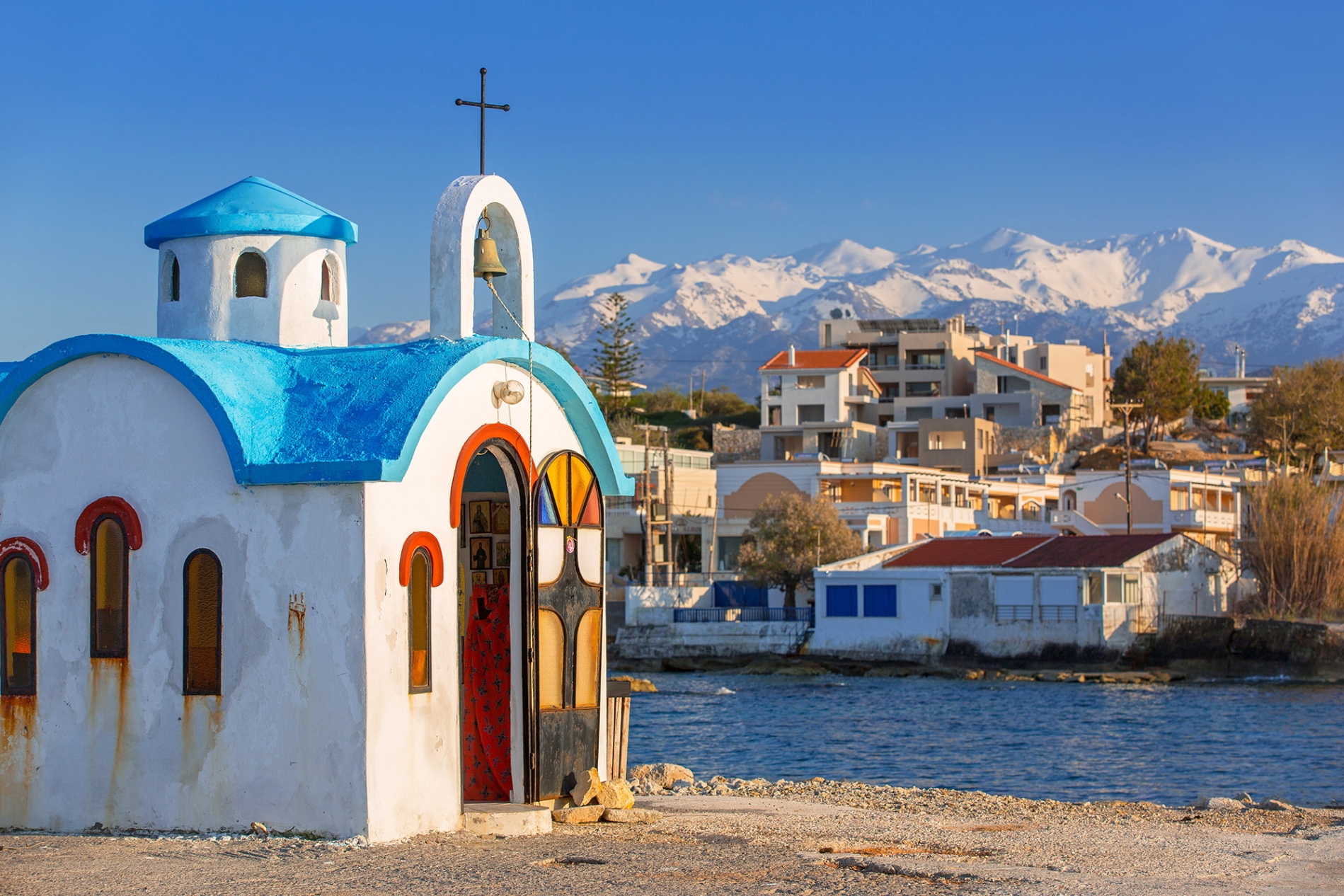
Discover the Historical City of Chania
The history of Chania begins on Kastelli Hill in the Old Town, where the first settlements appeared around 3000 BC. During the Proto-Minoan period (3000-1900 BC), the area became an important commercial and cultural center of western Crete, with large houses, well-built rooms, and high-quality pottery.In the Middle Minoan period (1900-1600 BC), Chania developed into a dynamic center with early palatial structures and strong trade activity, establishing connections with nearby islands such as Kythira. Ceramic production followed central Cretan styles, while imported goods were also present.
Late Minoan Periods (c. 1600-1100 BC)During the Late Minoan period (1600-1400 BC), Chania thrived economically through agriculture, fishing, and trade. In the Late Minoan II period (1400-1100 BC), the city likely faced natural disasters but continued its maritime trade relations across the Aegean and the Eastern Mediterranean.
Archaic and Classical Periods (1100-330 BC)
After the collapse of Minoan civilization, the area was influenced by Dorian and other Greek settlers. By the 7th-6th centuries BC, the city of Kydonia had become an important commercial and political center, leveraging fertile land and access to the sea.
After the collapse of Minoan civilization, the area was influenced by Dorian and other Greek settlers. By the 7th-6th centuries BC, the city of Kydonia had become an important commercial and political center, leveraging fertile land and access to the sea.
Hellenistic Period (330-67 BC)
Following Alexander the Great’s campaigns, Chania became part of the Hellenistic world. Roads, harbors, and public buildings strengthened its strategic position.
Following Alexander the Great’s campaigns, Chania became part of the Hellenistic world. Roads, harbors, and public buildings strengthened its strategic position.
Roman Period (67 BC-395 AD)
In 67 BC, Crete joined the Roman Empire. Chania remained an important commercial hub, with public works including roads and theaters. The Roman Theater of Aptera is a notable example.
In 67 BC, Crete joined the Roman Empire. Chania remained an important commercial hub, with public works including roads and theaters. The Roman Theater of Aptera is a notable example.
Byzantine Period (395-1204)
During Byzantine rule, the city was fortified around Kastelli Hill, serving as a military and administrative center. Materials from ancient Kydonia were reused, maintaining strategic importance.
During Byzantine rule, the city was fortified around Kastelli Hill, serving as a military and administrative center. Materials from ancient Kydonia were reused, maintaining strategic importance.
Venetian Period (1204-1669)
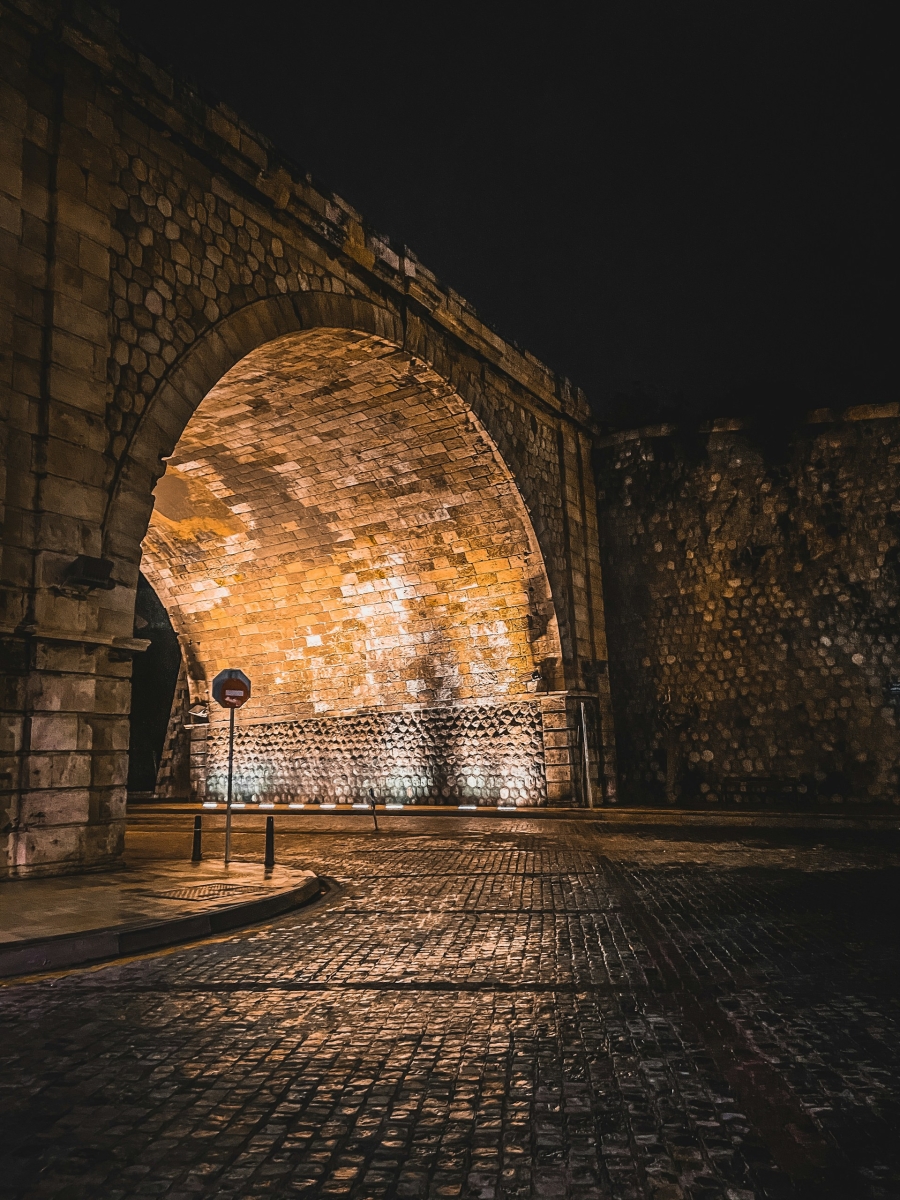
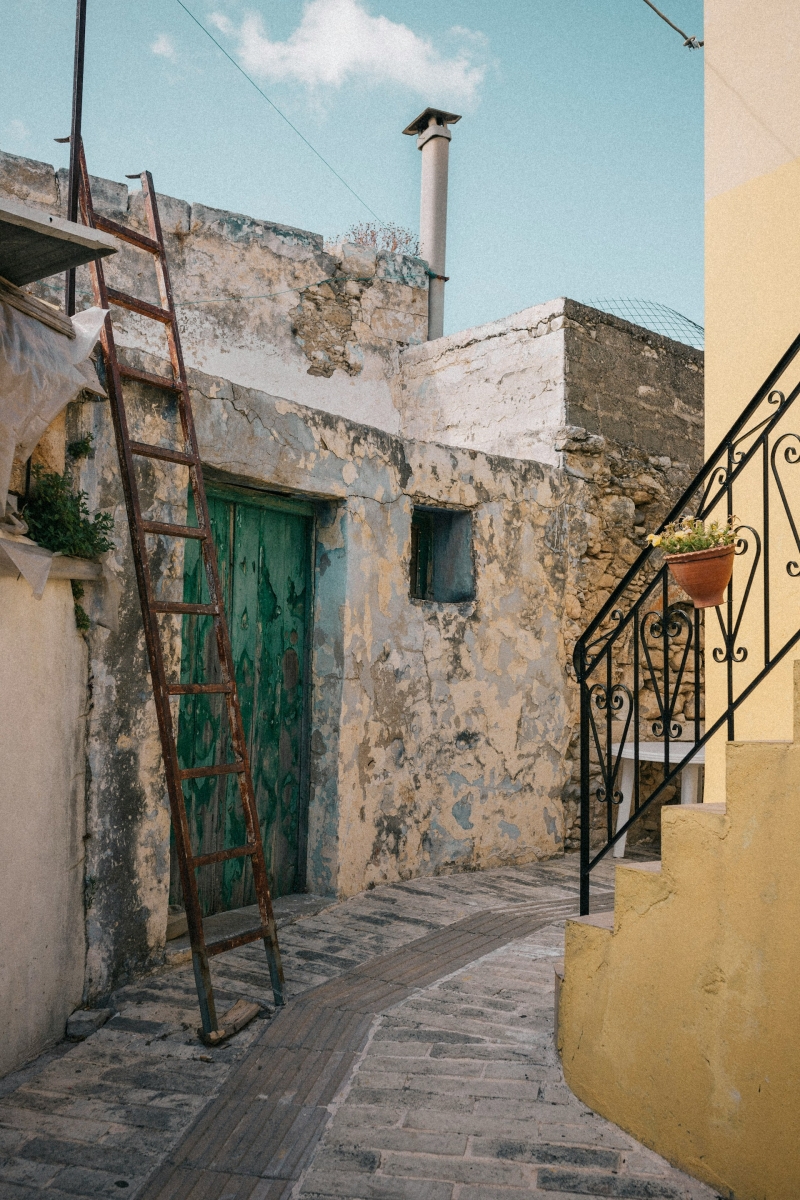
The Venetian period left a lasting cultural impact. City walls, churches, narrow streets, and the Venetian Harbor were constructed. The Old Town flourished with trade, cafés, workshops, and entertainment, many of which remain today.
The Venetian period left a lasting cultural impact. City walls, churches, narrow streets, and the Venetian Harbor were constructed. The Old Town flourished with trade, cafés, workshops, and entertainment, many of which remain today.
Ottoman Period (1669-1898)
Under Ottoman rule, Chania retained its economic and administrative role. The Old Town remained a vibrant center with shops, cafés, and artisan workshops.
Under Ottoman rule, Chania retained its economic and administrative role. The Old Town remained a vibrant center with shops, cafés, and artisan workshops.
Modern Period (1898-1960)
Crete’s union with Greece in 1913, Chania developed into an important provincial center with schools, hospitals, and cultural institutions. The city combined its historical heritage with modern life, maintaining its unique Cretan identity.
Crete’s union with Greece in 1913, Chania developed into an important provincial center with schools, hospitals, and cultural institutions. The city combined its historical heritage with modern life, maintaining its unique Cretan identity.
Today
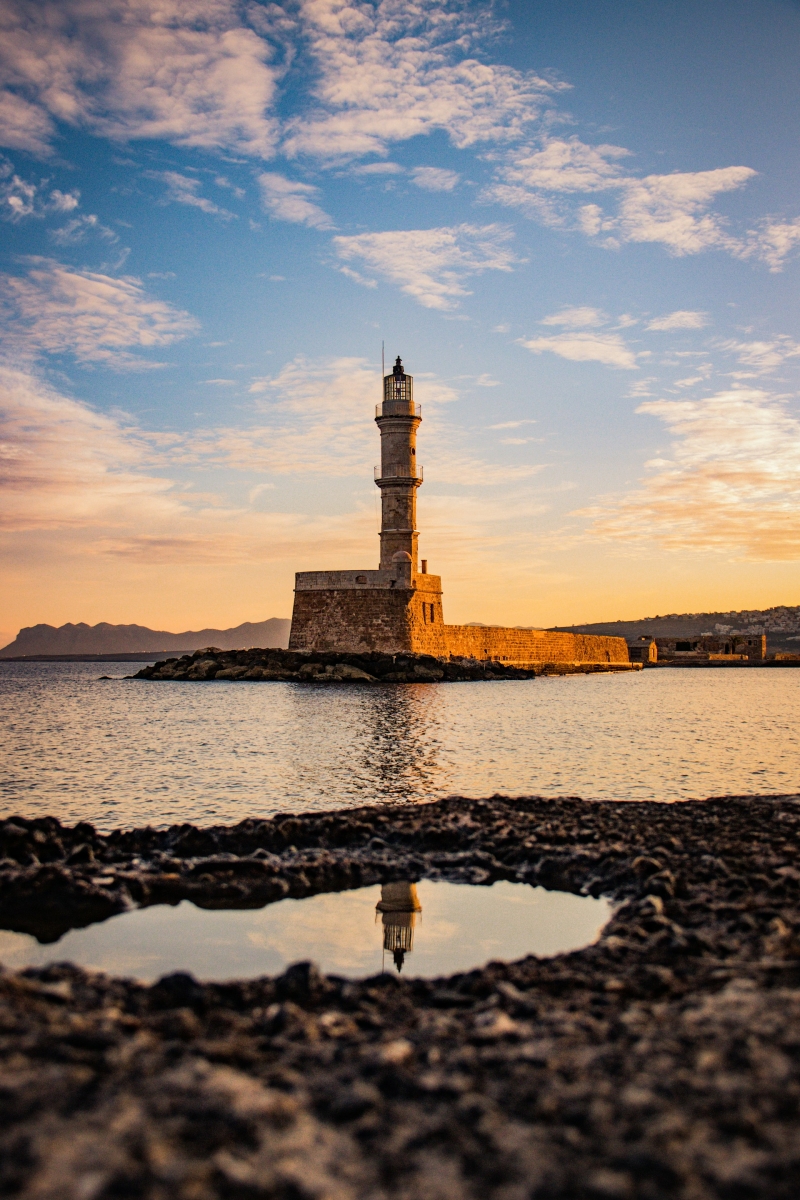
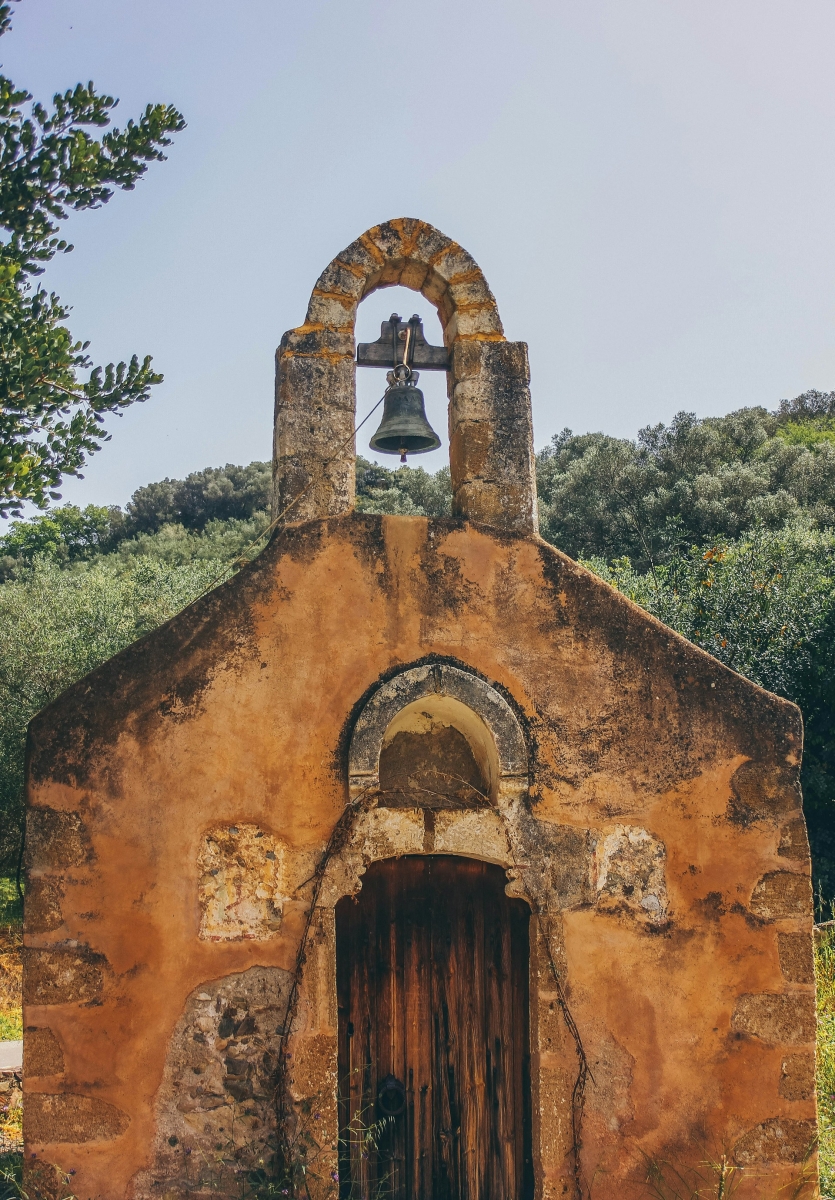
Chania remains a destination where history, culture, and natural beauty converge, ideal for visitors seeking an authentic Cretan experience.
More: http://chaniahistory.gr